Free shipping across Canada over $75.00 · Hand blended in small batches

Spice World

African BBQ Academy

What makes African BBQ different.

Africa is not one grilling tradition — it's dozens. These are the ones our blends come from, and the techniques that make them work on a Canadian backyard grill.

Lesson 01

Yaji & Suya — West Africa

Yaji is the groundnut-and-pepper spice base behind suya, Nigeria's most famous street food. Beef is sliced paper thin, coated heavily, and grilled fast over open coals so the spice toasts rather than steams. The rule: more spice than you think, less time than you think.
Lesson 02

The South African Braai

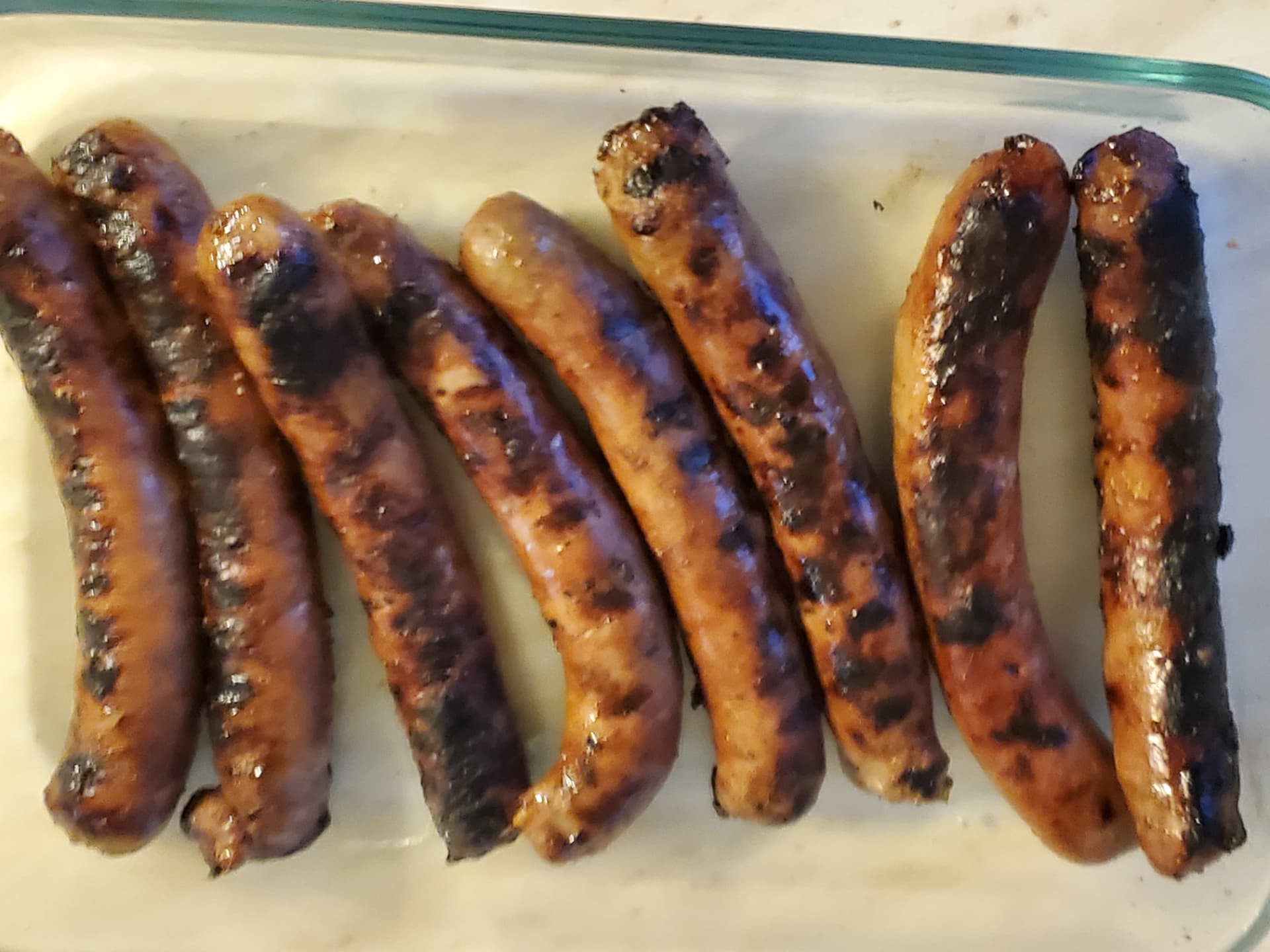
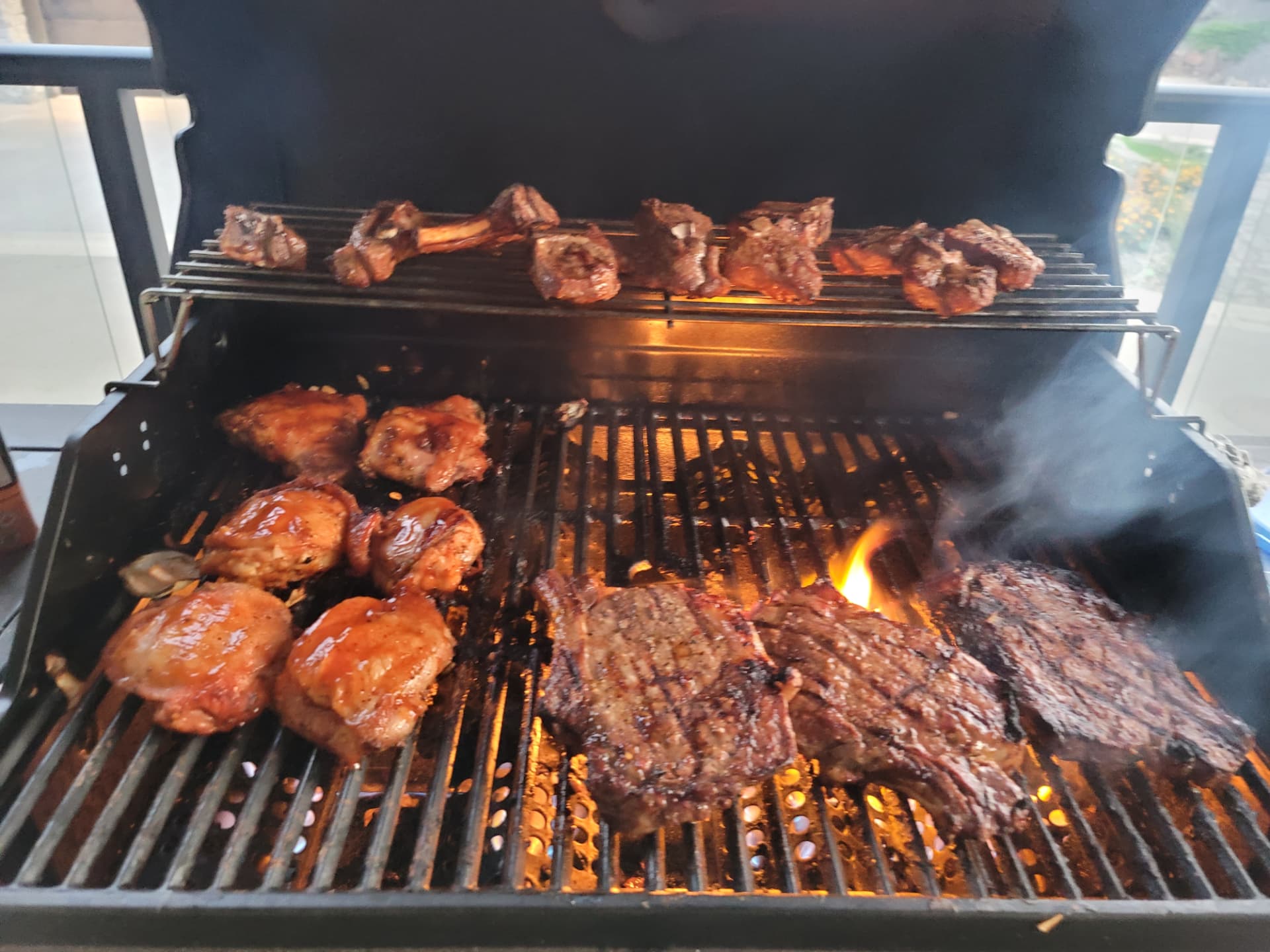
A braai is not a barbecue with a different accent — it's a gathering. Wood or charcoal burns down to a bed of even coals before anything touches the grid. Boerewors goes on whole and gets turned once. Chops go on with patience. Nobody rushes the fire.

Lesson 03

East African Coastal Spice

Along the Swahili coast, trade routes brought cardamom, clove, cinnamon and turmeric into everyday cooking. Whole fish is scored, packed with spice and grilled over medium coals so the skin crisps while the flesh steams in its own moisture.

Lesson 04

Reading Your Fire

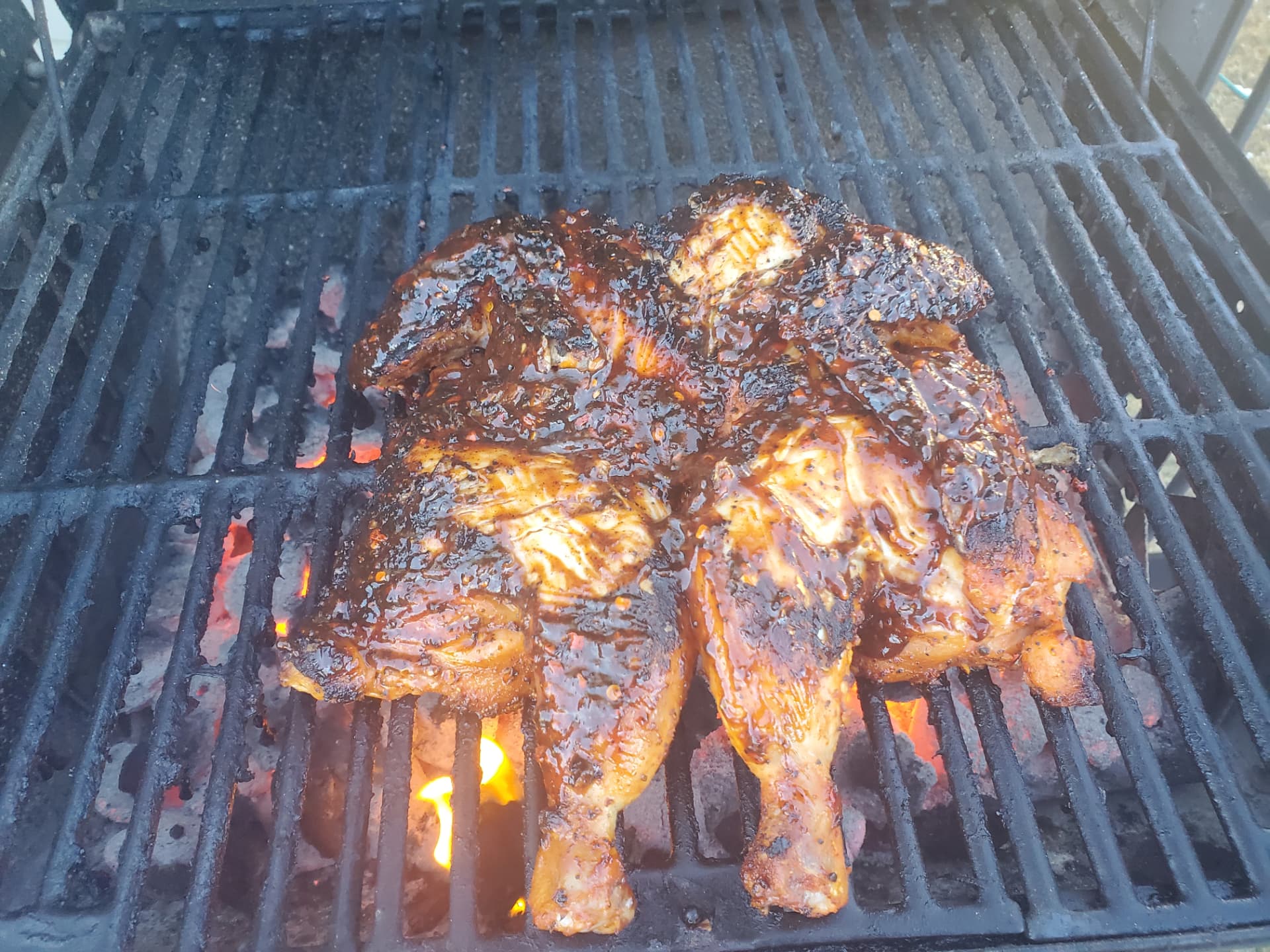
Hold your hand 12 cm above the grid. Two seconds is high heat — steaks and prawns. Five seconds is medium — chicken pieces and chops. Eight seconds is low — whole birds and ribs. Build a two-zone fire so you always have somewhere cooler to move to.

Lesson 05

Rub, Rest, Sear

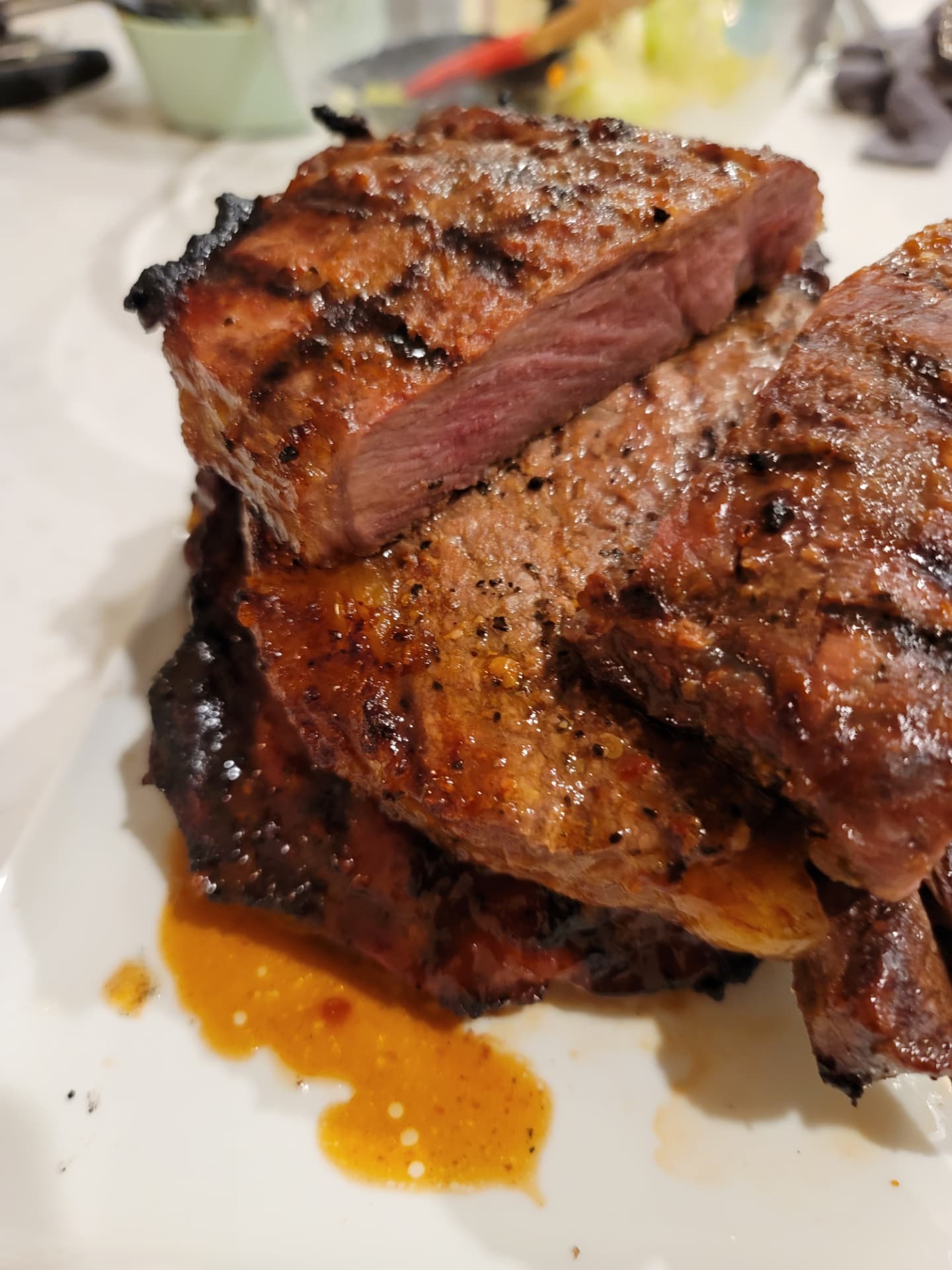
Season at least 20 minutes ahead so salt can draw moisture out and back in. Pat dry before the grill — a wet surface steams instead of browning. And rest cooked meat for a third of its cooking time before slicing.

Lesson 06

Choosing the Right Spice

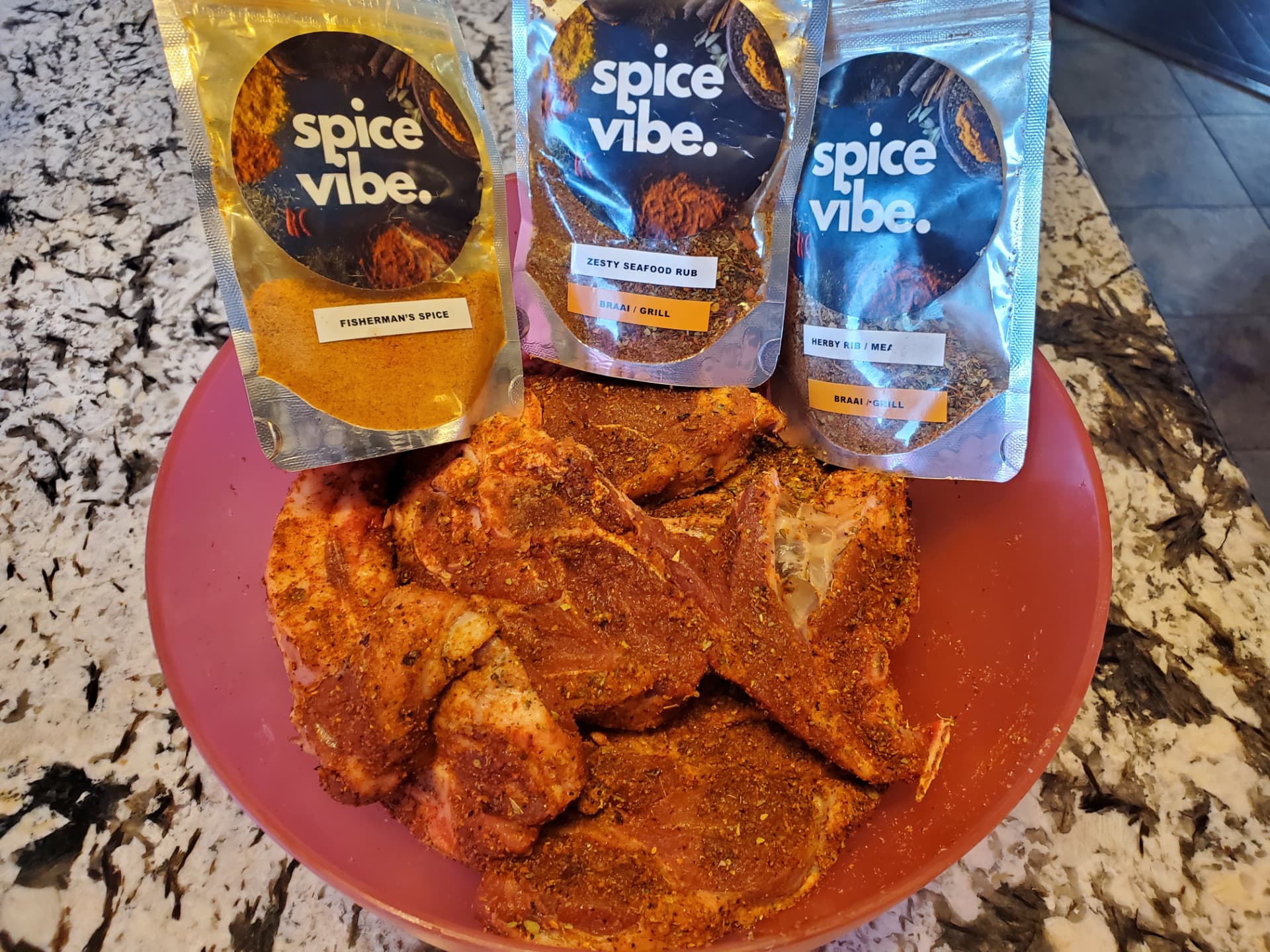
Poultry wants sweetness and colour: Chicken Spice or Smokey Cumin. Red meat wants coarse salt and pepper: Steak & Chops or Meat Lover. Seafood wants citrus and lift: Zesty Seafood Rub or Fisherman's Spice. Start there, then adjust the heat level.